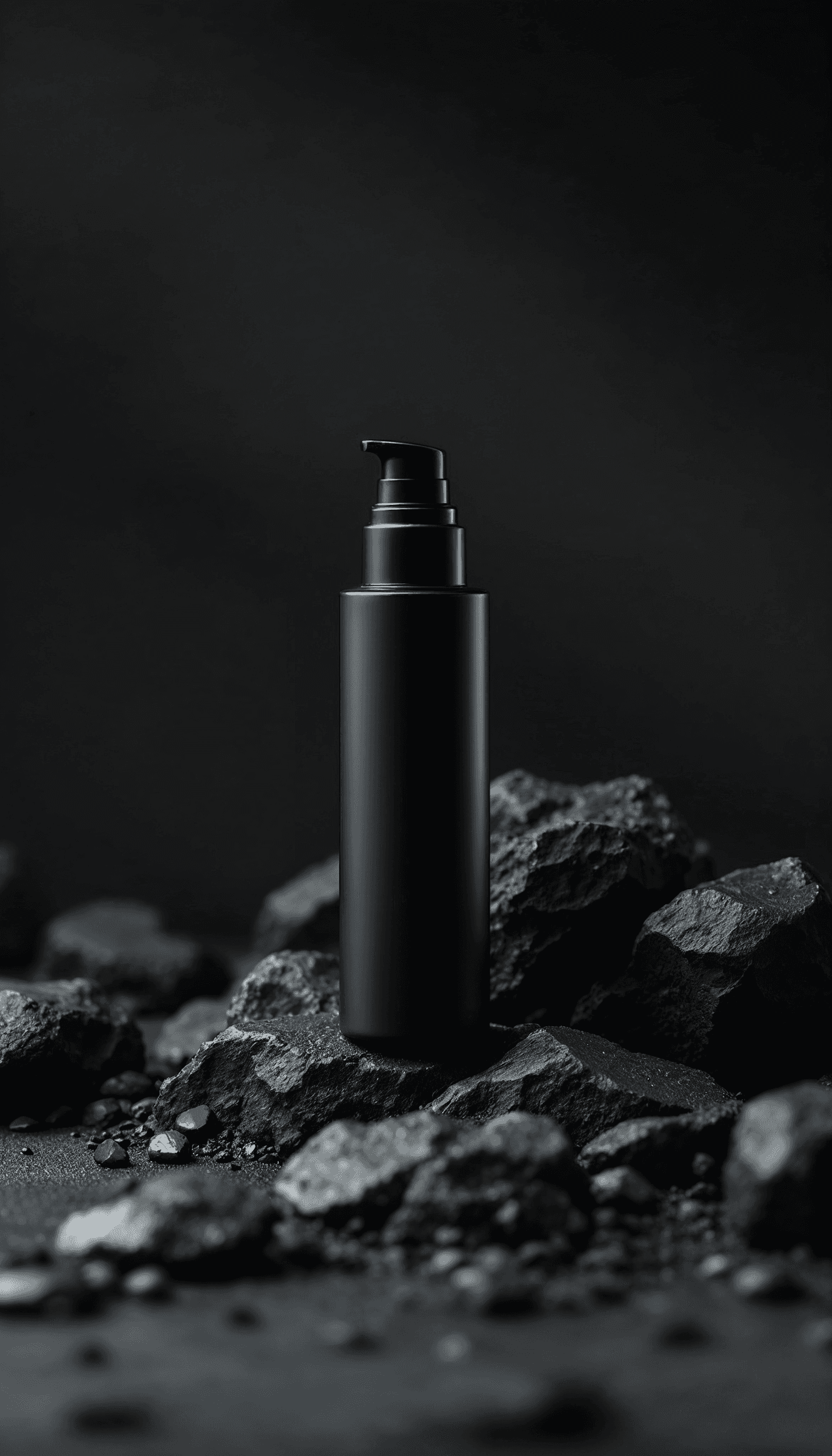
The art direction focused on a monochromatic language defined by black on black contrast and elemental composition. Every surface was designed to feel tactile, from volcanic textures to the soft sheen of brushed glass. The aim was to capture stillness and presence, a brand that exists in silence, yet dominates through form and weight.
Photography and 3D visualization were approached like sculpture, treating light as material. Shadows reveal as much as they hide, defining contours with restraint. The visual tone echoes high end minimalism found in architectural spaces and modern craft, honest, bold, and physical.













Visual and Editorial Redesign
Building on these successful marginal changes, the team conducted a series of audience focus groups and comparative research to commit to a full redesign of Inventing tomorrow. While the audience of scientists and engineers continued to value detail and specificity, they responded positively to the engaging photos but were overwhelmed by some of the long-form features. We decided the whole magazine would pivot to prioritize larger, attention-grabbing images and illustrations, and the editorial would favor shorter, punchier stories peppered throughout with scannable facts and numbers. The first redesigned issue received a strong, positive response.